
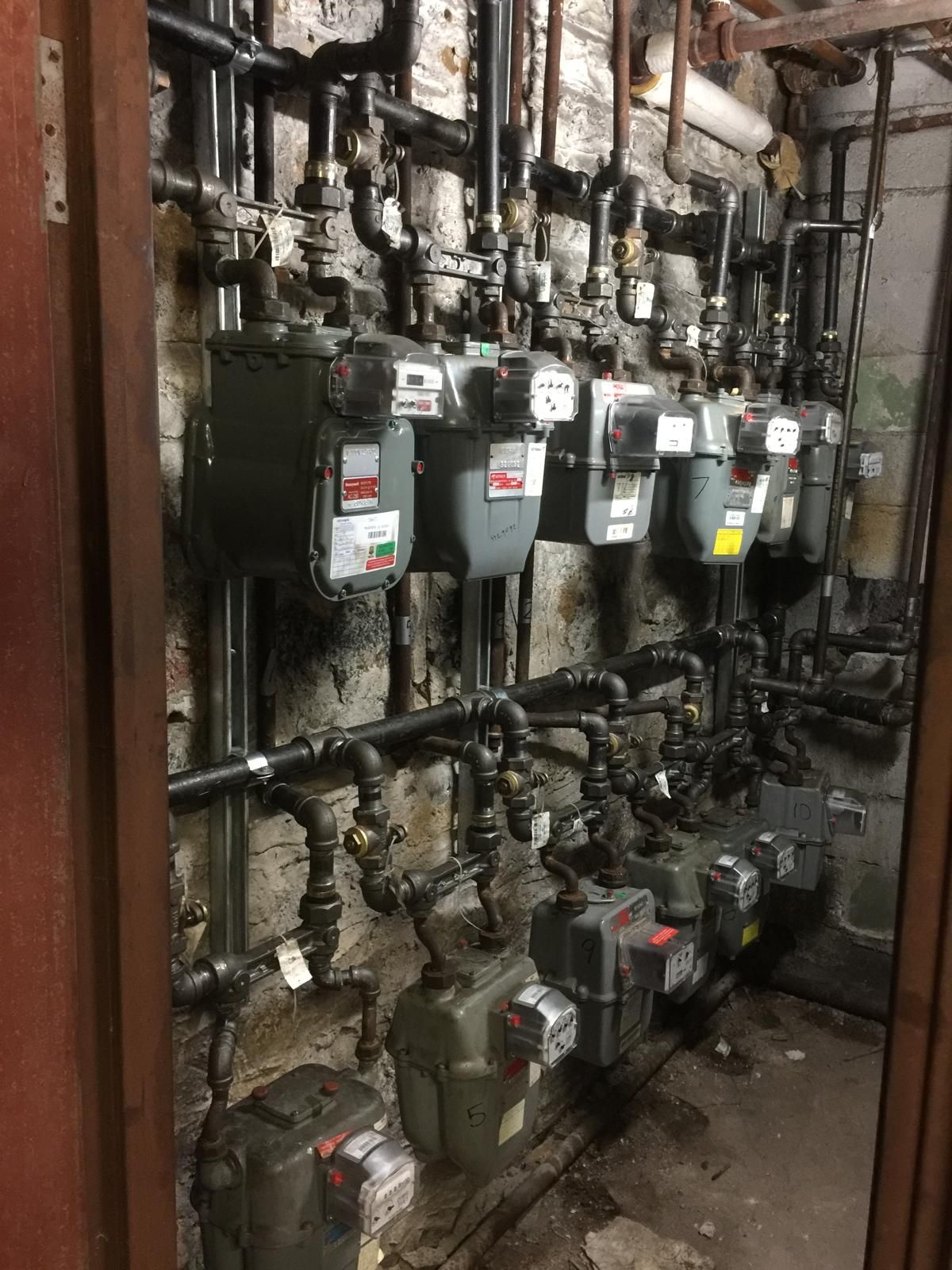
How to Avoid $5,000 Fines: Key LL152 Deadlines & GPS2 Filing Steps
NYC property owners must comply with Local Law 152 (LL152) for gas piping system inspections to avoid significant $5,000 fines. Understanding your building’s specific deadlines and correctly navigating the GPS2 filing process with a Licensed Master Plumber is essential for gas safety and regulatory compliance. Ensure your NYC property’s gas systems are inspected to meet all requirements and safeguard occupants.
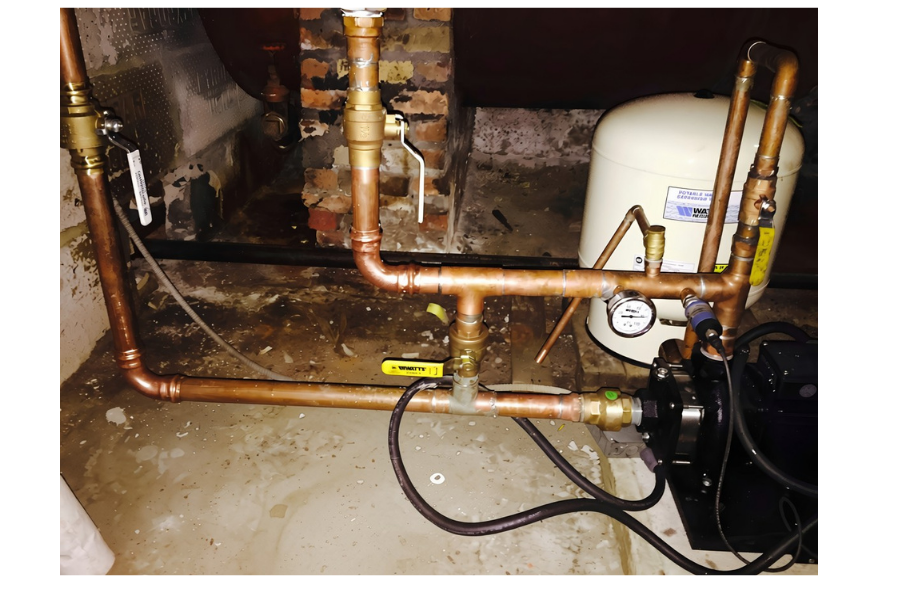
Why Is My Water Pressure So Low in My Apartment? (And How to Fix It)
Why is my water pressure low? Two things usually cause low water pressure in an apartment. Sediment collects in your faucet aerators and chokes flow at one fixture. Calcified galvanized pipes and a failing pressure-reducing valve (PRV) drop pressure across the whole building. Struggling to rinse the shampoo out of your hair because of a…
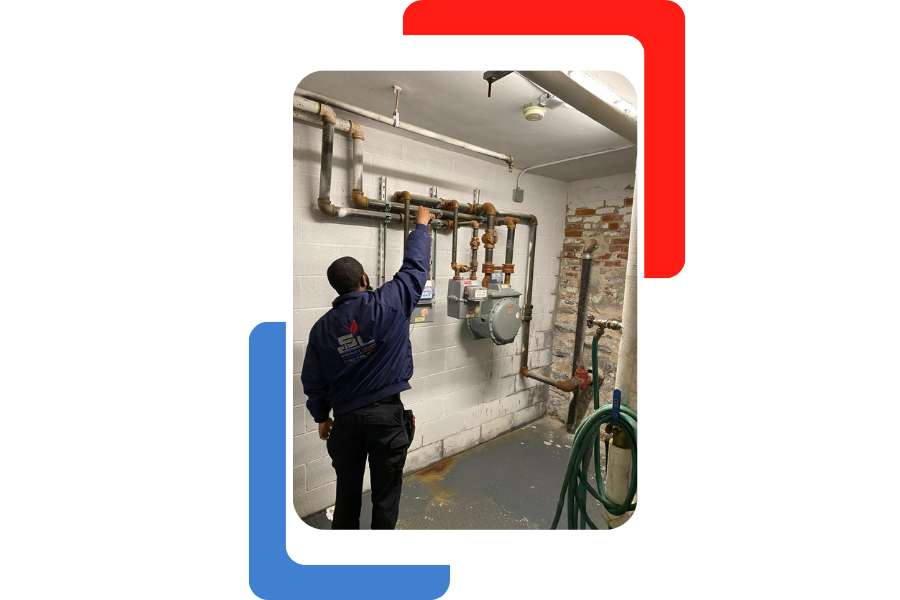
What Brooklyn Property Owners Need to Know About Local Law 152 Gas Inspections
What is Local Law 152, and who needs a gas inspection in NYC? Local Law 152 requires New York City building owners to have a Licensed Master Plumber inspect their gas piping on a set cycle. Buildings in occupancy group R-3, typically one- to two-family homes, sit outside the rule. Every other property owner in…
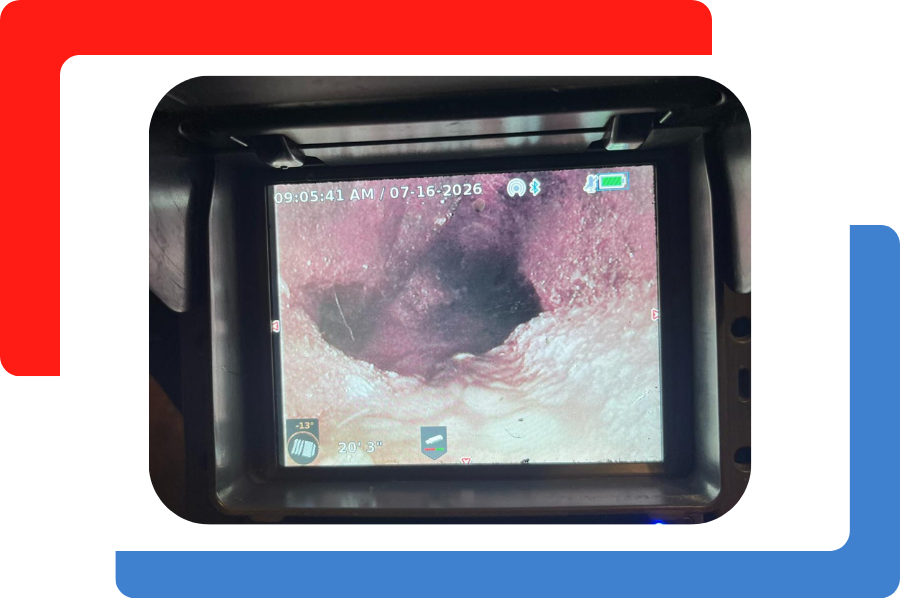
Signs Your Home’s Main Sewer Line is Clogged (And When to Call for Cleaning)
What are the signs of a clogged sewer line? Three signs point to a main sewer line clog. Multiple fixtures back up at once. Drains and toilets gurgle loudly, and a sewage odor drifts through the basement or yard. A slow-draining bathroom sink is a minor inconvenience, but a main sewer line clog is a…
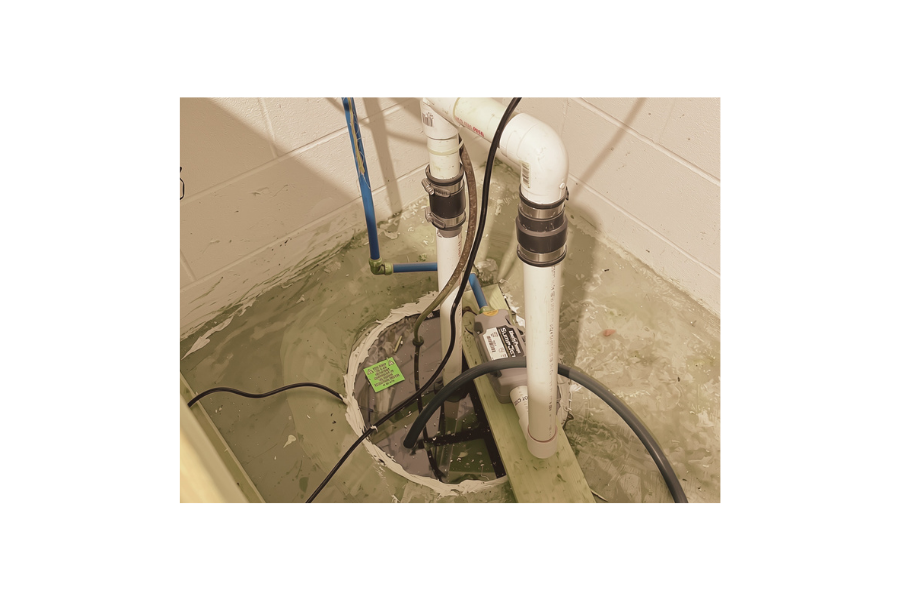
How to Protect Your Brooklyn Basement from Flooding During Heavy Rain
How do I stop my basement from flooding during a storm? The most effective way to stop your basement from flooding during heavy rains is by installing a reliable sump pump to actively eject groundwater, and adding a backwater valve to your main sewer line to prevent municipal sewage from flowing backward into your home.…
Why Is My NYC Water Bill Suddenly So High? (Hidden Leaks to Look For)
Why is my NYC water bill suddenly so high? If your daily water habits haven’t changed but your Department of Environmental Protection (DEP) bill has skyrocketed, you are almost certainly paying for a hidden plumbing leak. The most common culprits are a running toilet leak, dripping fixtures, or a severe, unseen leak in your underground…
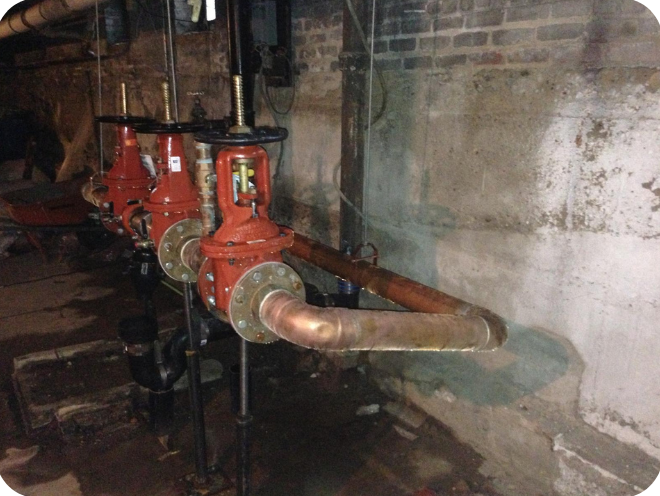
What is a Backflow Preventer, and Does Your NYC Building Need One?
What is a backflow preventer, and does your NYC building need one? A backflow preventer is a mechanical valve installed on your property’s main water line. It lets clean city water flow into your building, and it shuts automatically if city water pressure drops. That shutoff keeps stagnant or contaminated water inside your building from…
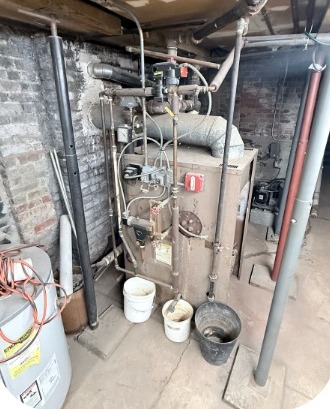
Why Am I Getting Heat, But No Hot Water? (NYC Boiler Troubleshooting)
Why do my radiators work, but I have no hot water? Warm radiators and cold faucets narrow the problem to one thing: how your boiler makes domestic hot water. A bad aquastat control, a failed circulator pump, or a faulty mixing valve will each stop that heat transfer. Meanwhile the same boiler keeps heating your…
What to Do When Con Edison or National Grid Shuts Off Your Gas
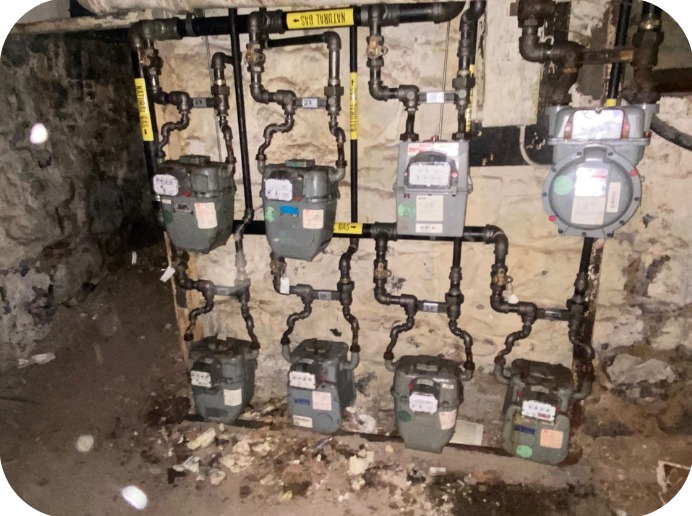
What do I do if my gas gets shut off? When the utility shuts your gas off over a suspected leak, leave the lock alone. Do not attempt to restore service yourself. Hire a Licensed Master Plumber instead. He locates the leak, then makes the repairs, pressure tests the piping, and arranges the Department of…
Hydronic vs. Steam Boilers: Which System Does Your Brooklyn Home Have?
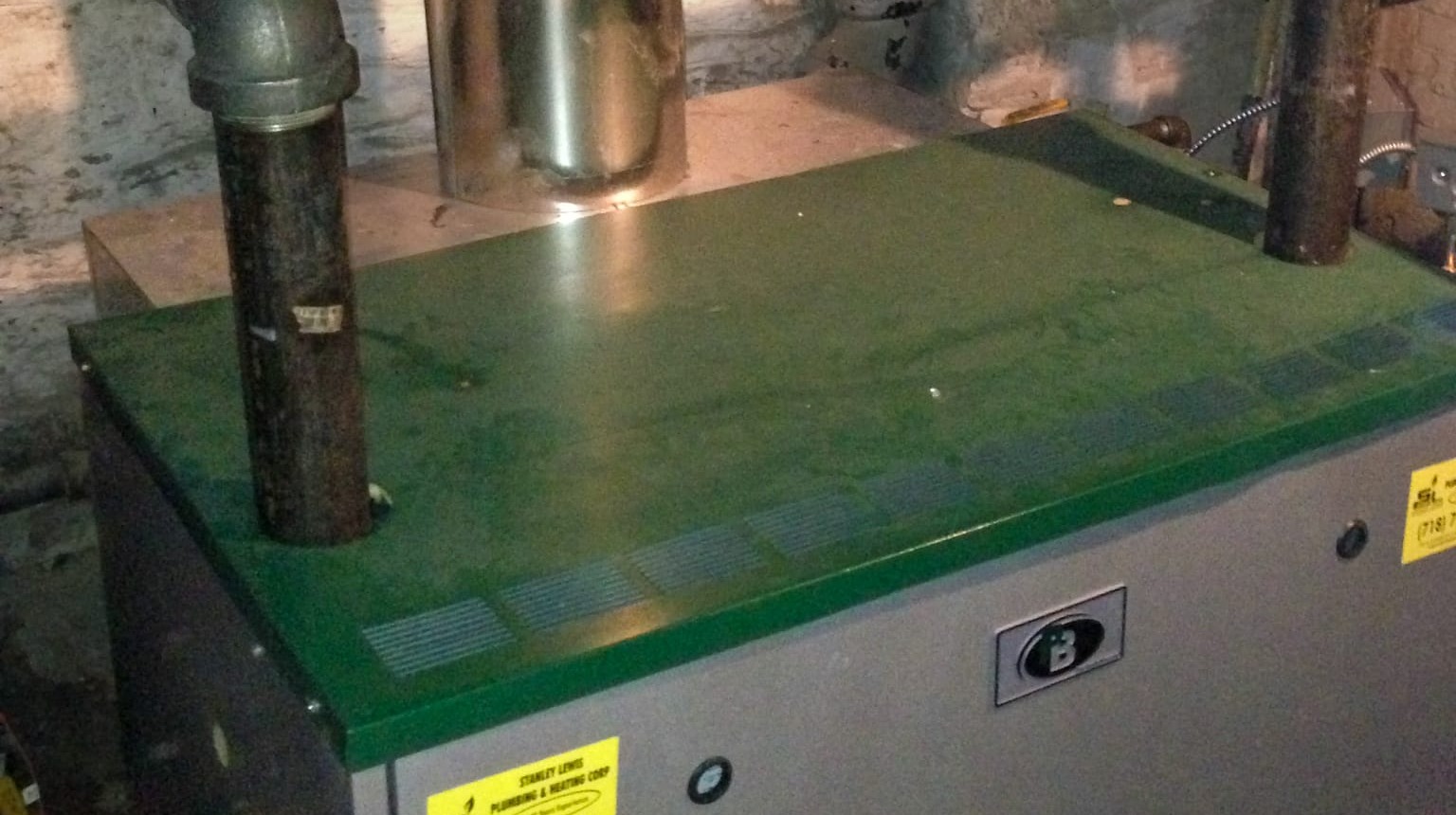
Hydronic vs Steam Boiler: What’s the Difference? In the hydronic vs steam boiler comparison, the difference comes down to how each system moves heat. A steam boiler heats water until it boils and turns into steam, which travels through pipes to heat radiators. A hydronic boiler (hot water boiler) never boils the water — instead,…